Montreal is a city defined by its unique architectural charm, vibrant neighborhoods, and high standard of living. When it comes to home improvement, especially the kitchen—the heart of the home—Montréalais homeowners demand quality, durability, and style. However, embarking on a major renovation project in a major Canadian metropolitan area requires more than just inspiration; it demands meticulous financial planning.
As we look toward 2026, inflation, shifting supply chain dynamics, and the specialized labor market in Quebec mean that renovation costs are continually evolving. What was true for budgeting last year may no longer apply today.
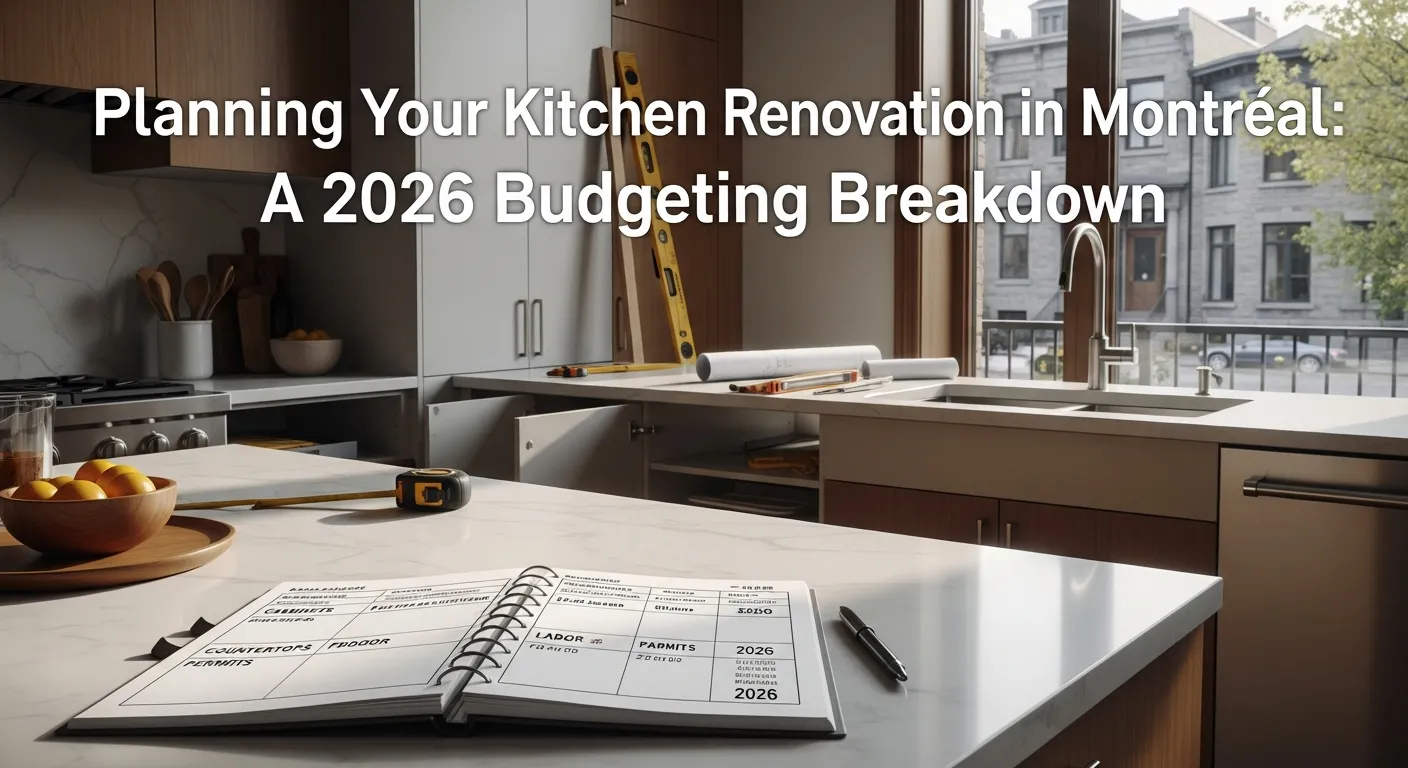
At KSI Cabinetry, we understand that the foundation of a successful project is a realistic and detailed budget. If you are currently embarking on the journey of Planning Your Kitchen Renovation in Montreal: A 2026 Budgeting Breakdown, this authoritative guide is your essential roadmap to navigating costs, regulations, and design decisions to ensure your investment pays off.
Phase 1: Setting the Foundation – Why 2026 Requires Precision Planning
Before diving into line-item costs, it’s crucial to understand the economic environment specific to Montreal that will influence your final price tag.
The Montreal Market Factor: Labor and Materials
Quebec’s specialized construction industry, combined with high demand for skilled tradespeople, often means labor costs are higher compared to smaller markets. Furthermore, older Montreal properties, especially those in areas like the Plateau or Westmount, often present unexpected structural or plumbing challenges that must be factored into the initial budget.
- Inflationary Pressure: We project continued moderate inflation in construction materials, necessitating a larger contingency fund than in previous years.
- Supply Chain Volatility: While improving, lead times for high-end, imported items (like specialized appliances or custom European cabinetry) remain a factor. Early ordering and confirmed delivery dates are essential for budget adherence.
- Regulatory Compliance: Strict adherence to Quebec’s electrical and building codes requires certified, specialized contractors, impacting labor rates.
Defining Scope: Minor Refresh vs. Full Gut
The single greatest determinant of your budget is the scope of work. We categorize kitchen renovations into three primary tiers:
Minimal Refresh (Budget: $15,000 – $35,000+)
This tier involves cosmetic changes only. It typically includes refinishing existing cabinets, upgrading hardware, new paint, new backsplash, and potentially replacing existing appliances with similar models. No changes to the layout, plumbing, or major electrical systems are made.
Mid-Range Renovation (Budget: $45,000 – $85,000+)
This is the most common category for homeowners looking for significant aesthetic and functional upgrades. It involves replacing all cabinetry, installing new countertops, adding better lighting, and potentially minor modifications to plumbing/electrical (e.g., moving the sink a few feet). Layout remains largely the same, but materials are higher quality (e.g., semi-custom cabinetry, quartz countertops).
Major/Luxury Renovation (Budget: $90,000 – $150,000+)
This involves a complete structural overhaul. Walls are moved, the layout is radically changed, and electrical/plumbing lines are rerouted. This tier includes custom cabinetry, high-end stone slabs, luxury appliances, and often involves hiring an interior designer and an architect or engineer, adding significantly to soft costs.
The 2026 Budgeting Breakdown: Where Does the Money Go?
The successful execution of a major kitchen renovation in Montreal depends heavily on accurate cost allocation. Based on industry standards and projected 2026 costs, here is a typical breakdown of where your renovation dollars will be spent:
Standard Allocation Percentages (Excluding Contingency):
- Cabinetry & Hardware: 30% – 40%
- Installation & Labor (Plumbing, Electrical, Drywall, etc.): 20% – 25%
- Countertops & Backsplash: 10% – 15%
- Appliances: 10% – 15%
- Flooring, Lighting, & Fixtures: 5% – 10%
- Design, Permits, & Contingency: 10% – 20%
Cabinetry (30% – 40% of Budget)
Cabinetry is the single largest investment in your kitchen. The choice between stock, semi-custom, or fully custom cabinets will dramatically impact your cost structure.
Custom Cabinetry: Essential for maximizing space in uniquely shaped Montreal homes (e.g., old triplexes). While offering unparalleled fit and finish, they carry the highest price tag, often requiring specialty local millworkers.
Semi-Custom Cabinetry: Offers a balance of flexibility and value. These allow for modifications to size and depth, providing a high-end look without the full custom cost. KSI Cabinetry specializes in providing high-quality semi-custom solutions that meet the demanding aesthetic of the Montreal market.
Expert Tip: Don’t skimp on cabinet hardware. Quality soft-close mechanisms, durable hinges, and specialized storage solutions (like pull-out pantries) significantly enhance the functionality and longevity of your kitchen, offering excellent return on investment.
Countertops and Backsplashes (10% – 15% of Budget)
Material choice is key here. While laminate is budget-friendly, most Montreal homeowners prefer stone for durability and resale value.
- Quartz: Highly popular due to its non-porous nature and vast aesthetic options. Prices have stabilized but remain a mid-to-high-range option.
- Granite: A classic choice, often more cost-effective than specialty quartz, but requires sealing.
- Marble: The luxury choice, often requiring specialized fabrication and installation, pushing costs higher.
Installation costs are also crucial. If your design includes a large, seamless island or complex cuts around supports, fabrication and installation labor rates will increase.
Appliances (10% – 15% of Budget)
Appliance costs are largely driven by brand, features, and integration style (built-in vs. freestanding).
- Standard Package (Mid-Range): Expect to allocate $6,000 – $12,000 for a standard suite (fridge, range, microwave, dishwasher) from reliable brands.
- Luxury/Integrated Package: High-end, integrated appliances (panel-ready refrigerators, induction cooktops, professional ranges) can easily push this category past $20,000.
Installation and Labor (20% – 25% of Budget)
This is where unexpected costs often arise, especially in older Montreal homes requiring remediation (asbestos testing, electrical knob-and-tube removal, etc.). Skilled labor includes demolition, plumbing, electrical, carpentry, HVAC modifications, and specialized material installation. Always ensure your contractors are licensed and insured according to Quebec standards (RBQ).
Navigating Permits and Regulations in Montreal (Rénovation)
Ignoring municipal regulations can lead to costly delays and fines. The City of Montreal has specific requirements for structural, plumbing, and electrical work.
When Do You Need a Permit?
If your renovation involves any of the following, you will require a permit from your borough:
- Modifying structural elements (e.g., removing a load-bearing wall).
- Changing the location of plumbing fixtures (sink, dishwasher line).
- Major electrical upgrades or relocation of the main panel.
- Changing the use of the space (not typical for kitchens, but important to note).
A simple cosmetic refresh (paint, cabinet refacing) generally does not require a permit. However, if you are undertaking a mid-to-major renovation, you must budget for permit application fees, which vary by borough, and potentially the cost of an architect or engineer to seal the plans.
Understanding Quebec’s Building Code
Quebec has stringent requirements for fire safety, ventilation, and electrical wiring. Working with contractors familiar with the Code du bâtiment du Québec is non-negotiable. For instance, proper ventilation (hood fan CFM requirements) and required electrical outlets (dedicated circuits for appliances) must be strictly followed, often necessitating more complex electrical work than homeowners anticipate.
Phase 2: Project Management and Cost Control Strategies
Successful budgeting isn’t just about setting numbers; it’s about managing the project flow to prevent budget creep.
The 10%-20% Contingency Rule
For a comprehensive Montreal kitchen renovation, we strongly recommend allocating a minimum 15% contingency fund, especially if dealing with an older structure. This fund is essential for covering unforeseen issues like:
- Hidden water damage or mold discovered during demolition.
- Unexpected structural requirements (e.g., adding a beam).
- Price increases due to last-minute material shortages.
- Necessary upgrades to meet modern code requirements.
Value Engineering: Smart Material Selection
Value engineering means achieving the desired look and function using the most cost-effective materials without sacrificing quality. Examples include:
- Choosing Laminate over Solid Wood Boxes: High-quality plywood or particleboard cabinet boxes with durable finishes can save thousands compared to custom solid wood, especially when paired with high-end door fronts.
- Opting for Semi-Custom Slabs: Choosing a standard quartz color that is highly stocked domestically can save significantly over a rare, imported stone slab.
- Mixing Appliances: Invest heavily in the appliances you use most (e.g., the range) and choose more standard models for those used less frequently (e.g., the microwave).
Hiring the Right Montreal Professionals
The quality of your team dictates the quality of your outcome and adherence to the budget. Look for partners who:
- Hold valid RBQ licenses and liability insurance.
- Provide transparent, fixed-price quotes for defined scopes of work.
- Are specialists in kitchen design and installation (like KSI Cabinetry), not general contractors juggling multiple types of projects.
A specialized cabinet provider can often streamline the process by managing the design, manufacturing, and installation of the largest component of your kitchen, leading to fewer coordination errors and faster timelines.
Maximizing ROI in the Montreal Housing Market
A well-executed kitchen renovation in Montreal consistently yields one of the highest returns on investment (ROI) among home improvements. Buyers in high-demand areas prioritize modern, functional kitchens.
To maximize resale value, focus on timeless design choices:
- Neutral Palette: Classic whites, grays, and natural wood tones appeal to the broadest range of buyers.
- Durable Countertops: Quartz and granite signal quality and low maintenance.
- Smart Storage: Buyers value efficient use of space, which semi-custom and custom cabinetry excels at providing, especially in smaller Montreal condos or townhouses.
By investing in quality cabinetry and professional installation, you are not just upgrading your lifestyle; you are securing your equity.
Undertaking a kitchen renovation is a substantial commitment, particularly in the dynamic Montreal market. By approaching the project with a rigorous 2026 budget breakdown, a clear understanding of Quebec’s regulations, and a commitment to quality materials like those offered by KSI Cabinetry, you can transform your vision into reality.
The key to budget success lies in detailed planning and partnering with experts who understand the unique challenges and opportunities of renovating in this city. By following these detailed steps, your ambitious Montreal kitchen renovation project will be well-funded and efficiently managed, delivering a stunning, functional kitchen that you will enjoy for years to come.
Ready to start the planning phase? Contact the design specialists at KSI Cabinetry today to translate your budget goals into a comprehensive design plan.
Frequently Asked Questions (FAQ) About Montreal Kitchen Renovation Costs
Q1: What is the average cost of a mid-range kitchen renovation in Montreal in 2026?
A: Based on current projections for 2026, a mid-range kitchen renovation (full tear-out, new semi-custom cabinetry, quartz countertops, and updated appliances/lighting) typically ranges between $45,000 and $85,000 CAD. This figure can fluctuate significantly based on the size of the kitchen and the complexity of the installation.
Q2: How long does a typical full kitchen renovation take in Montreal?
A: The timeline depends heavily on the scope and permitting process. Once materials are secured, physical construction usually takes 6 to 10 weeks for a mid-range renovation. However, the pre-construction phase—design, material selection, permitting, and custom cabinet manufacturing—can add 8 to 16 weeks. Always plan for a total project duration of 4 to 6 months from initial design to final installation.
Q3: Does hiring an interior designer save money on a renovation?
A: While adding design fees to your budget, a professional interior designer or specialized kitchen designer often saves money in the long run by preventing costly mistakes. They ensure optimal layout efficiency, help manage material selection (avoiding expensive change orders), and often secure better pricing on materials through trade discounts. For complex or luxury renovations, their involvement is highly recommended.
Q4: Where should I spend the most money to maximize ROI?
A: To maximize return on investment in the Montreal market, prioritize quality in the following areas: Cabinetry (durability and functionality), Countertops (timeless stone like quartz or granite), and Appliances (reliable, mid-to-high-end brands). These elements are the most visible and heavily used, directly impacting buyer perception.
Q5: Are there any grants or tax credits available for kitchen renovations in Quebec?
A: Quebec occasionally offers provincial tax credits for eco-friendly renovations (e.g., energy efficiency improvements). While there are no continuous, specific grants for standard kitchen remodels, it is always worth checking the Revenu Québec website for the latest municipal or provincial renovation tax incentives that might apply to portions of your work (like insulation or electrical upgrades).

The Ultimate Cabinet Showdown: Solid Wood vs. MDF for Your Kitchen Cabinets Montreal
Renovating a kitchen is one of the most significant investments a homeowner can make. While aesthetics often drive initial choices—the […]
From Mansions to Murals: Mastering Neighborhood-Specific Kitchen Design in Westmount and Plateau Mont-Royal
Montreal is a city defined by its distinct districts, each possessing a unique architectural fingerprint and a set of implied, […]
Planning Your Kitchen Renovation in Montreal: A 2026 Budgeting Breakdown
Montreal is a city defined by its unique architectural charm, vibrant neighborhoods, and high standard of living. When it comes […]